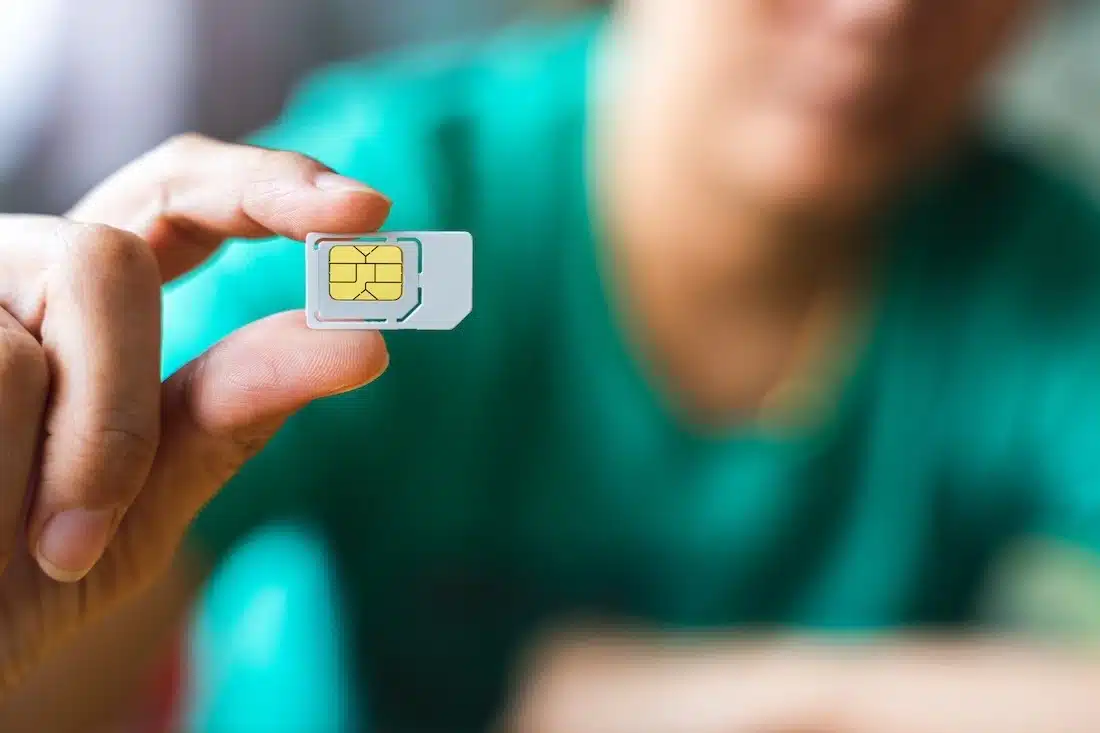
One of the first practical questions travelers ask before coming to Cartagena is whether they need a local SIM card. The short answer is that you do need reliable mobile data in Cartagena, but you do not always need a physical local SIM card to get it.
For some travelers, roaming from home will be enough. For others, an eSIM is the easiest solution. And for longer stays or more price-sensitive trips, a local prepaid SIM can still make sense. The right choice depends on how long you are staying, how much you rely on your phone, and how comfortable you are solving small logistics after arrival.
What matters most is not the format of the SIM. It is having dependable data for the parts of Cartagena where your phone becomes essential: airport arrival, ride apps, maps, WhatsApp, restaurant lookups, and getting back to your stay without friction.
Do You Actually Need Mobile Data in Cartagena?
Yes. Even if your accommodation has strong Wi-Fi, mobile data still matters in Cartagena.
You will likely use it for ordering a ride, checking directions, messaging a host, confirming a reservation, looking up an address, or communicating through WhatsApp, which is widely used in Colombia for everything from customer service to travel logistics. If you land without working data, the first part of your trip can become unnecessarily clumsy.
This is especially true if you are moving between neighborhoods like El Laguito, Bocagrande, the Walled City, and Getsemani. These are easy trips, but they are easier when your phone works the moment you need it.
Do You Need a Local SIM Card?
Not always. What you need is a working data setup, and that can come from a few different places.
If your home carrier offers affordable international roaming in Colombia, that may be enough for a short trip. If your phone supports eSIM, buying a travel eSIM before arrival is often the simplest option because you can land already connected. If you are staying longer, want a local number, or care more about minimizing cost, a local prepaid SIM may be worth the extra step.
So the better question is not whether you need a local SIM card specifically. It is whether you want the simplest setup, the cheapest setup, or the most locally integrated setup.
When Roaming Is Enough
Roaming can work well for short stays, especially if your U.S. carrier includes Colombia in a travel pass or Latin America plan. If the daily or trip cost is reasonable, many travelers are better off paying for convenience instead of spending time looking for a SIM after arrival.
This is especially true for weekend or four-night trips. If your roaming works well, there is a strong case for keeping things simple and starting the trip without one more errand to handle.
The downside is cost. Some roaming plans are overpriced for the amount of data they offer. If you use maps, streaming, ride apps, and WhatsApp heavily, it is worth checking what your carrier actually includes before relying on it.
Why eSIM Is Often the Best Option
For many travelers, an eSIM is now the best balance of convenience and control. You can install it before the trip, activate it when you arrive, and avoid the hassle of finding a phone store or dealing with physical SIM changes.
There are currently both travel eSIM providers and local carrier options in Colombia. Airalo continues to offer Colombia eSIM products, and Movistar also published tourist prepaid eSIM terms for Colombia in late 2025, showing that eSIM support for travelers is becoming more standard. Claro also advertises eSIM support in Colombia, though the exact setup can vary by plan and device.
The main advantage of eSIM is not that it is magically better coverage. It is that it removes arrival friction and gets you connected faster.
If your phone supports eSIM, this is often the most practical choice for Cartagena.
When a Local Prepaid SIM Still Makes Sense
A local prepaid SIM can still be the right move if you are staying longer, using a lot of mobile data, or prefer a local number for calls and messaging. It can also make sense if your phone does not support eSIM and your home roaming options are expensive.
In Colombia, the main carriers travelers usually consider are Claro, Movistar, and Tigo. Coverage, pricing, and activation details can shift, but these are the names most visitors will run into. In practice, many travelers buy prepaid service through an official carrier store rather than at a random kiosk, because setup and registration are usually more reliable that way.
That said, not every trip needs this. If you are in Cartagena for a few days and mostly want smooth arrival logistics, a local prepaid SIM can be more effort than it is worth.
Should You Buy a SIM at the Airport?
Usually only if the option is clear, convenient, and competitively priced.
The airport can be tempting because you want connection immediately, but airport telecom options are not always the best value or the simplest setup. A pre-installed eSIM or working roaming plan is often cleaner than trying to make a rushed SIM decision right after landing.
If you do plan to buy locally, doing it through an official carrier location in the city is often a better move than grabbing the first offer you see.
What Will You Use Data For Most?
For most Cartagena travelers, mobile data is less about social media and more about logistics.
- Ride apps and taxi coordination
- Google Maps and walking directions
- WhatsApp messages with hosts, drivers, or tour providers
- Restaurant lookups and reservations
- Checking addresses and opening hours
- General safety and convenience when moving around the city
That is why having at least a modest but dependable data setup matters. You do not necessarily need an unlimited plan, but you do want something you can trust.
Does Where You Stay Change the SIM Question?
Yes, at least a little. If you stay in a well-connected area and have strong Wi-Fi, you may need less mobile data overall. If your base is comfortable and easy to navigate from, you spend less time constantly solving transport and orientation problems on the move.
That is one reason areas like El Laguito can work well. You still want data for rides, maps, and day-to-day movement, but a calmer, better-positioned home base reduces how dependent you are on your phone every minute of the day. You can get to Bocagrande, the Walled City, and Getsemani easily, then return somewhere that feels simpler.
At Ritmo Cartagena, that kind of ease is part of the experience. A trip becomes much smoother when your stay and your connectivity setup are both working in your favor.
What Is the Best Choice for Most Travelers?
For most visitors coming to Cartagena for a short vacation, the best order of options is usually this:
- Use a travel eSIM if your phone supports it
- Use your home carrier’s roaming if the pricing is reasonable
- Buy a local prepaid SIM if you are staying longer or want the lowest local cost
This is not because local SIM cards are bad. It is because most short-term travelers benefit more from simplicity than from optimizing every last peso.
So, Do You Need a Local SIM Card in Cartagena?
No, not always. But you do need reliable data. For many travelers, an eSIM or a solid roaming plan is enough. For longer stays, heavier data use, or travelers who want a local number, a prepaid Colombian SIM can still be a smart choice.
The real goal is to land in Cartagena already able to message, navigate, and move around without stress. If your phone can do that from the moment you arrive, you have solved the part that matters most.
Current source basis: Movistar published tourist prepaid eSIM terms for Colombia in November 2025, Claro publicly advertises eSIM support in Colombia, and travel eSIM providers such as Airalo continue to offer Colombia data products. Specific plans and pricing can change, so check your device compatibility and provider terms before travel.